6 Ways to Handle Dry Skin, Digestion, and Lung Health This Fall
In Traditional Chinese Medicine (TCM), there are 6 “Evil Qi”:
- dampness,
- cold,
- heat,
- fire,
- wind, and
- DRYNESS.
Dryness correlates with Autumn (mid-August through mid-October), the element of Metal, the Lung and Large Intestine organs, and the emotion of grief. The Lungs and their Yang-paired organ, the Large Intestine, regulate breathing, including the skin and sinuses, and the removal of toxins from the body.
It doesn’t mean those things don’t exist at other times of the year. They just exert a stronger influence at this time. Things in TCM are cyclical: Winter is the time of death and dying; Spring is the time of new growth; Summer is peak season; and Fall is when things dry up and we harvest.
Each season leads to the next. While Autumn and the Metal element are considered “Dry,” they “hold Water,” which prepares us for the following season, Winter.
The Lungs are delicate and need an almost perfect balance of moisture to work optimally. That being said, if you live in a damp environment and have allergies, I highly recommend getting a de-humidifier. Conversely, if you live in the desert, get the opposite: a humidifier.
My home (in Austin) stays around 50% humidity, so I use a dehumidifier to keep it more like 40%. For reference, mold prefers 60% or more humidity, so I like to stay below the 50% mark just to be safe.
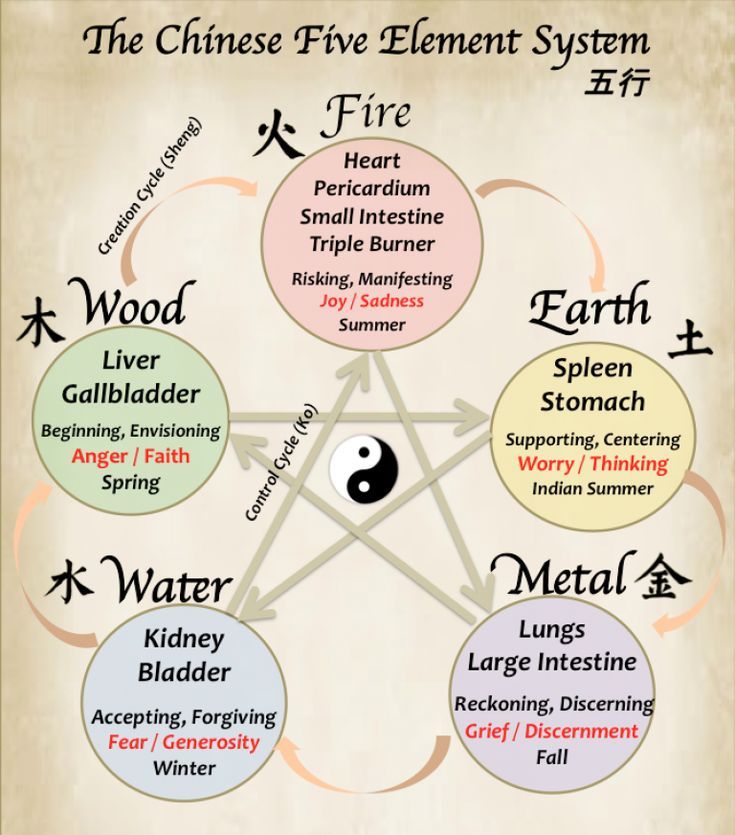
Dryness can be an excess “Evil Qi” and it can also be a sign of Yin Deficiency. Often, with issues like dry skin, constipation (dry bowels), dry sinuses, etc. we need to address both the Excess Dryness and the internal Yin Deficiency.
My top recommendations for combating dryness:
1. SWIM – if it’s available to you, find a natural spring, ocean, or clean body of water to dip into and refresh. Chlorine can be more drying, though, so take note.
2. HYDRATE – Invest in a large water bottle and keep it filled with filtered, fresh water. For best absorption, especially when it’s really hot and dry out, add in a pinch of sea salt and a squeeze of lime or lemon in there (nature’s electrolytes). Salt increases the amount of water your body holds. Obviously, if you have water retention or high blood pressure, reduce the amount of salt.
3. WATCH THE CAFFEINE, SUGAR, AND CHEMICAL INTAKE – chemicals, drugs, alcohol, and coffee are drying. If you drink coffee, sodas, or alcohol, you’ll need to drink more water to make up for it. Foods that are considered “hot” can also be drying. This includes fried food, spicy food, processed foods, and chemical additives (things you can’t pronounce on the back of the food container as an example).
4. USE OILS – oils are of course the natural solution to dryness. Use olive oil on your salads; cook with ghee or butter; take a fish oil every day. Hydrate your skin after bathing with a rich, natural moisturizer like Jojoba, Shea Butter, or Coconut oil.
5. GRIEVE – each season corresponds with a different body fluid. The fluid for the Fall is tears. When we’re processing grief, allowing tears to fall and not repressing them can be healing. Too much crying could also signal an imbalance. Acupuncture is low-key a great way to help your body process repressed emotions.
6. EAT MOISTENING FOODS – tofu, spinach, barley, millet, pears, apples, seaweed, mushrooms, almonds, peanuts, sesame seeds, flaxseed oil, eggs, crab, bean sprouts, pork, and honey are all considered moistening in TCM.
7. USE MOISTENING HERBS – it’s best to have a licensed herbalist prescribe what you need because although they’re natural, herbs are powerful. It’s best to have a full knowledge of herbs before self-prescribing.
* Lily Bulb (百合, Bai He) helps moisten the Lungs and relieves a dry cough. Just boil water, then turn off the burner, and place the herb in the hot water for 20 minutes. I recommend adding a little licorice to the pot. Strain and drink 4 ounces twice per day. Add a teaspoonful of local, natural honey if you like. Honey is also moistening!
* Snow Ear Mushroom (白木耳, Bai Mu Er) is delicious. We frequently add it into our community “hot pot.” It’s great for diabetics. It helps regenerate your Stomach Qi and Yin, and therefore helps with constipation. It needs to soak in the hot water or broth for just a few minutes before it’s ready to eat. Looks funny – tastes great.
* Glehnia Root (北沙参, Bei Sha Shen) can sometimes be found at the Chinese supermarket, but usually is part of a larger herbal formula. It’s used for a dry cough or constipation.
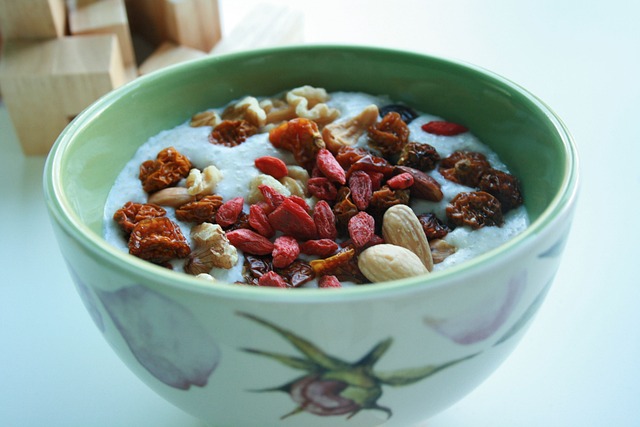
* Goji Berries (枸杞子, Gou Qi Zi) is a commonly found TCM herb. You can munch on them straight from the package if you want. It’s my favorite herb to use (along with Chrysanthemum) for DRY EYES. Eat up to 12 berries a day. Use less if you get loose stools after consuming.
* Seaweed (海带, Kelp) is considered a Yin-supporting food, particularly because of its cooling, moistening, and water-associated qualities. Seaweeds such as kelp and wakame are considered cooling and are associated with the Kidney and Liver systems. Yin is closely related to the body’s nourishing fluids, so foods that are moistening and mineral-rich can be used when there is a Yin-deficient pattern.
* Sea Salt. In TCM, the salty flavor enters the Kidney channel. The Kidney is considered the root of Yin and Yang, so appropriately salted foods can nourish Kidney Yin.
*** If you tend more toward DAMP conditions, as opposed to DRY, the moistening herbs and foods will make you feel worse.